
Outdoor Projection Mapping in Winter: Technical Planning Guide
Outdoor Projection Mapping in Winter: Technical Planning Guide
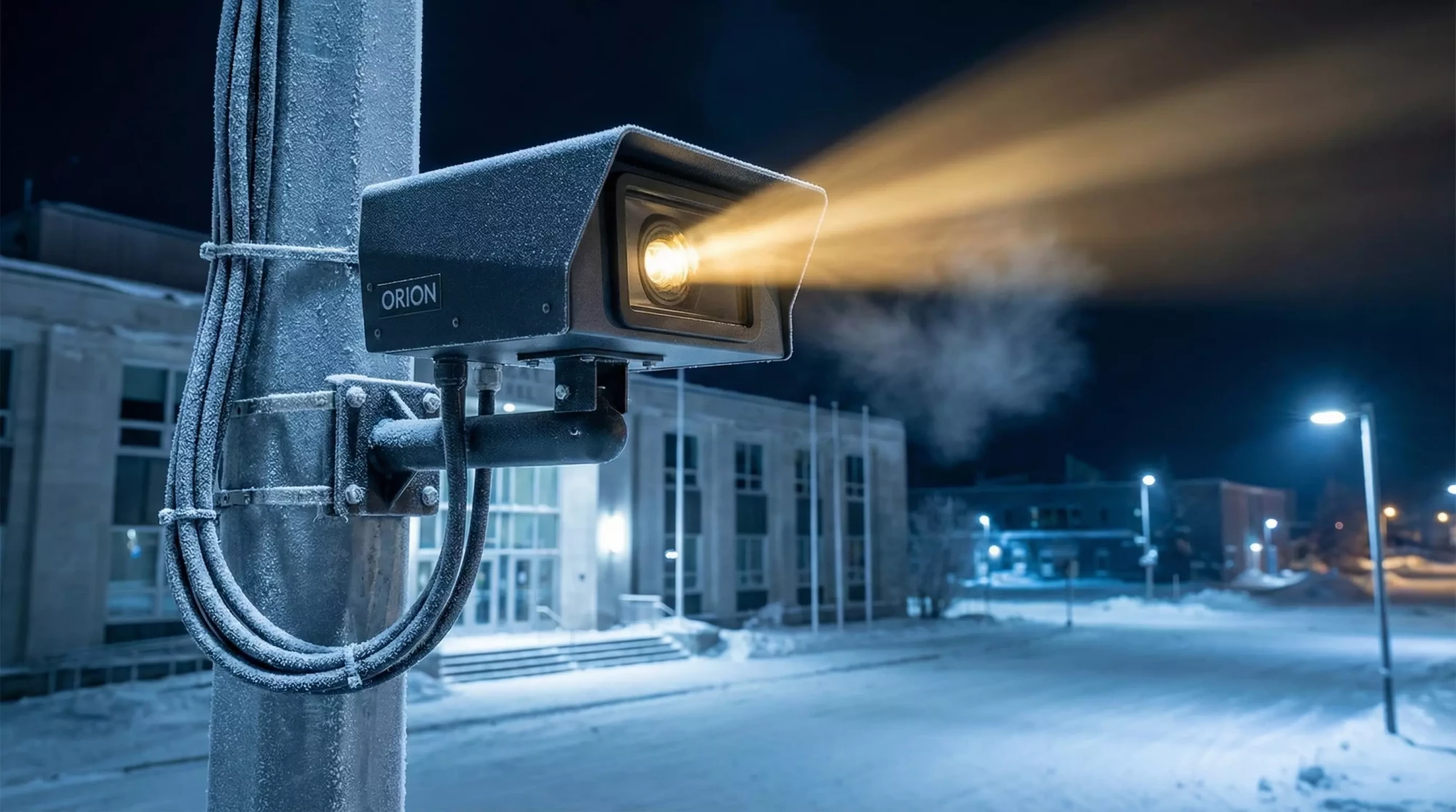
Outdoor projection mapping in the winter is completely achievable—but it requires proper planning and the right hardware. Cold temperatures, snow, wind and moisture all introduce challenges that must be addressed to ensure a reliable and visually consistent installation.
This technical guide explains what cities, festivals and event organizers need to know when planning winter projection mapping shows, especially across Canada and northern U.S. climates.
Why Winter Projection Mapping Is Challenging
Cold climates introduce several factors that affect projection quality and equipment performance:
- Freezing temperatures affecting projector warm-up time
- Condensation risk during temperature swings
- Snowfall and ice buildup on exposed equipment
- Strong winds impacting mounting stability
- Shorter daylight hours increasing show runtime
With proper engineering, all of these challenges can be managed effectively.

Choosing the Right Projector for Winter Installations
Not all projectors perform the same in cold temperatures. Consider these factors when choosing hardware:
- Laser projectors are ideal—they perform better in cold and have instant on/off.
- High brightness models (8,000–20,000 lumens) ensure clarity against snow and street lighting.
- Short‑throw lenses help fit large images into tight areas.
Brightness needs increase in winter due to ambient lighting reflections off snow.
Weatherproof Projection Enclosures
A properly engineered enclosure is the most important part of winter projection mapping. These units protect projectors from:
- Snow, sleet and freezing rain
- Condensation and humidity changes
- Cold starts and thermal shock
- Wind and accidental impact
Our full lineup of outdoor housings can be found here: projection enclosures.
Mounting and Structural Stability
Winter winds place significant force on both enclosures and mounting systems. For safety and reliability:
- Use engineered steel mounts or certified truss
- Anchor securely to poles, rooftops or concrete pads
- Ensure clear line of sight with no drifting snow obstructions
- Keep wiring elevated and protected from freeze‑thaw cycles
Managing Condensation and Temperature Swings
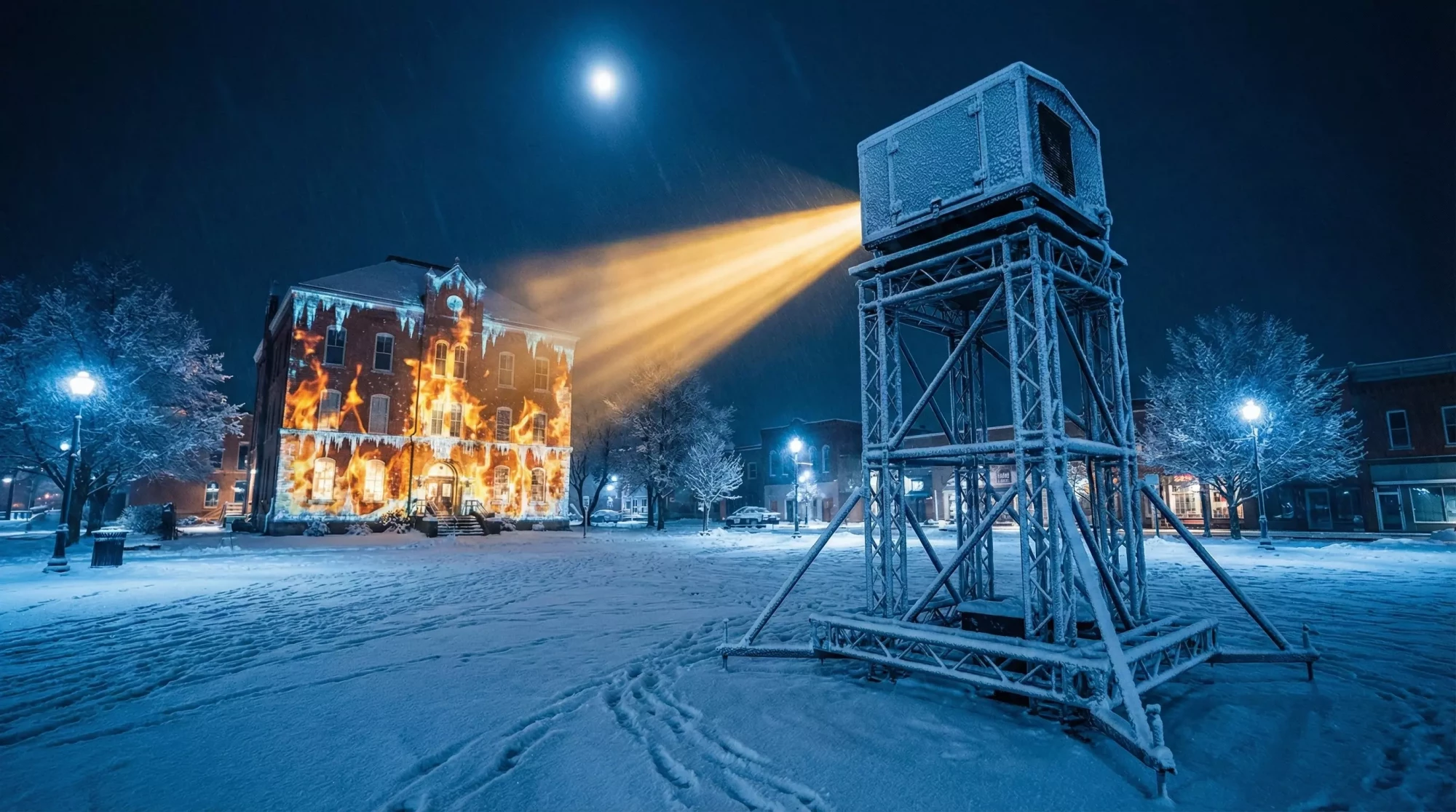
Condensation is one of the biggest risks in winter projection mapping. As temperatures rise and fall, moisture can accumulate inside equipment unless properly managed.
Best practices include:
- Using enclosures with active heating and ventilation
- Allowing equipment warm‑up periods when temperatures drop below freezing
- Running projectors overnight in extreme cold to maintain internal warmth
Content Considerations for Winter Shows
Winter content should account for the environment. Snow, ice, wind and atmospheric haze all affect projection appearance. Bright, high-contrast visuals with clean motion read best on snowy backgrounds.
Planning Your Winter Projection Mapping Project
To begin planning a winter show:
- Share photos of the building or surface
- Identify potential mounting points
- Discuss brightness requirements based on ambient light
- Review power and access availability
If you’re preparing for a winter festival, holiday event or multi‑month installation, you can send site photos through our contact form.
With the right hardware, engineering and planning, projection mapping can operate reliably through the harshest winter conditions—delivering bright, engaging nighttime experiences all season long.