
Projection Mapping for Modern Architecture – Glass, Angles and Complex Geometry
Projection Mapping for Modern Architecture – Glass, Angles and Complex Geometry
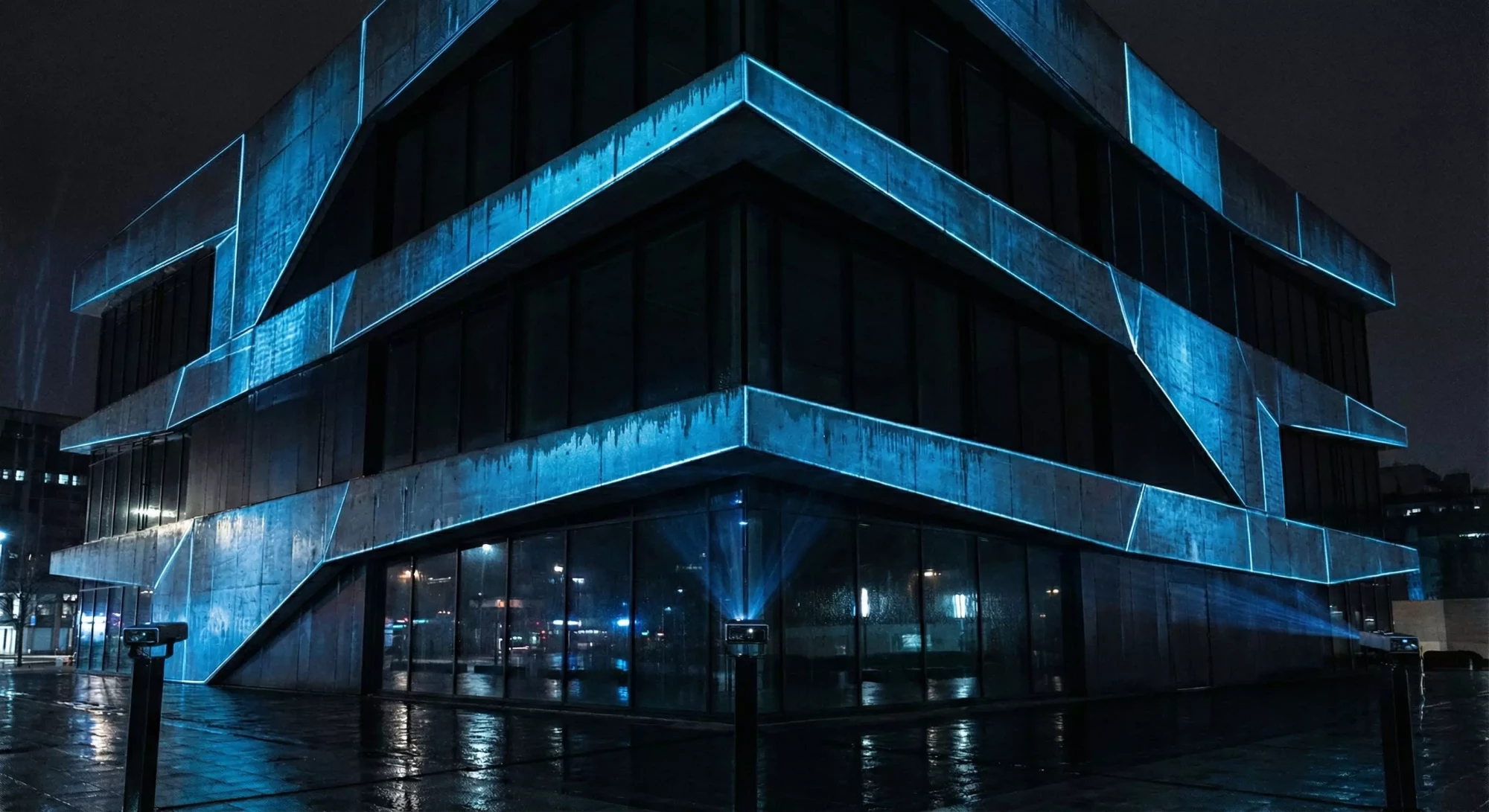
Modern architecture is visually stunning—sharp angles, mixed materials, glass sections and irregular geometry. But these same features can make projection mapping more complex. With the right planning and techniques, however, modern buildings can become some of the most dramatic projection surfaces available.
This guide explains how to map light onto complex architecture while preserving brightness, clarity and artistic intent.
The Challenge of Modern Architecture
Modern buildings often include:
- Glass curtain walls
- Dark metal cladding
- Sharp geometric angles
- Multiple setbacks and overhangs
- Deep shadows and unique light falloff
These features require precise mapping and careful projector positioning.
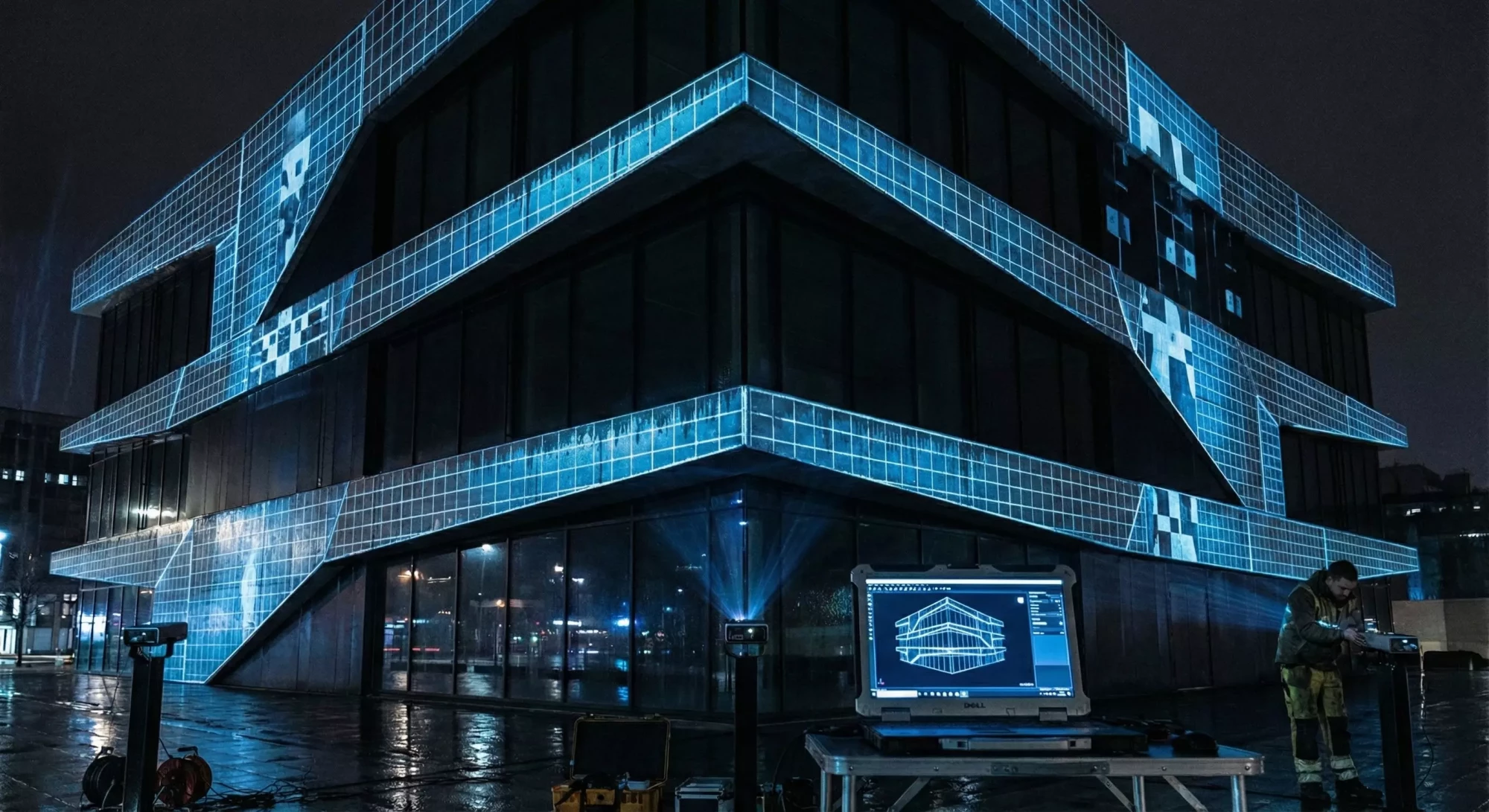
Best Practices for Mapping Modern Structures
1. Avoid Glass as a Primary Surface
Glass does not reflect light effectively; projections pass through it. Instead:
- Map the structural elements, not the windows
- Use opaque scenic panels if mapping the full grid is essential
2. Use Strong Contrast & Clean Lines
Modern buildings benefit from:
- Edge outlines
- Geometric patterns
- Flowing gradients that wrap angles
3. Multiple Projectors for Deep Geometry
Recesses, overhangs and set-backs often need separate projectors or carefully blended coverage.
4. Higher Brightness May Be Required
Dark materials absorb light—choose high-output projectors accordingly.
5. Pre-Scaling Content for Angles
Content must be adjusted through warping and perspective correction.
Ideal Use Cases
- Corporate headquarters
- Art galleries and museums
- Modern downtown landmarks
- Convention centres
Next Steps
Send your building photos and dimensions through our contact page, and we’ll recommend ideal projector positions and lens options.
Modern architecture becomes a living canvas with the right mapping approach.