

Custom Interactive Projection Mapping Experiences – Full Guide
Custom Interactive Projection Mapping Experiences – Full Guide
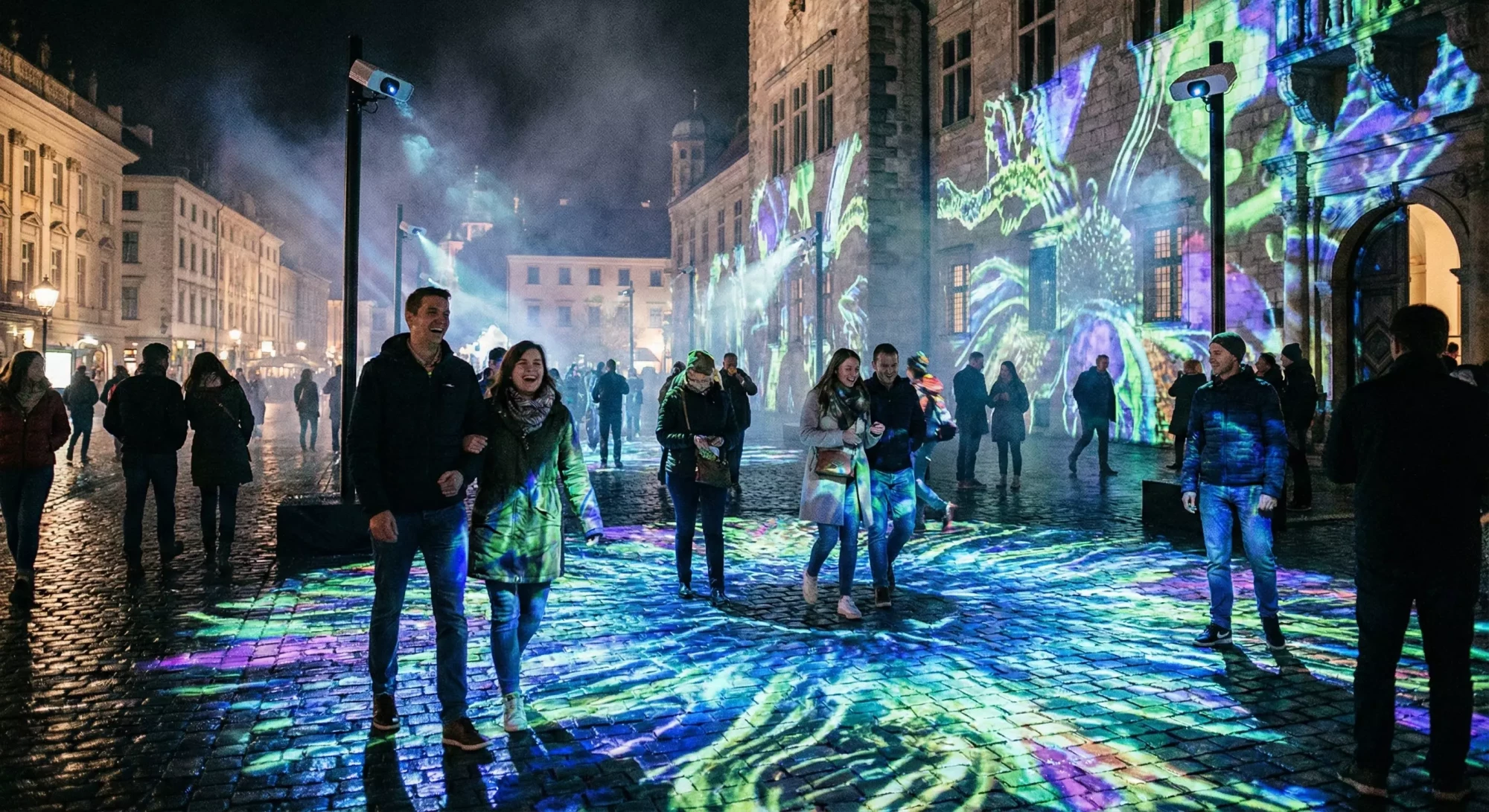
Interactive projection mapping transforms public spaces into living digital environments. Using sensors, real-time graphics engines and spatial design, interactive installations invite visitors to explore, play and shape the visual experience themselves. Cities, festivals and brands increasingly rely on these experiences to boost engagement, increase dwell time and generate social buzz.
What Makes an Experience “Interactive”?
An installation is considered interactive when the visuals change based on audience behavior. This can include:
- Motion-reactive animations (footsteps, hand movement, gestures)
- Group behavior triggers (crowd clustering, direction of flow)
- Audio-responsive scenes (music or ambient sound altering visuals)
- Object tracking (props or markers participants can move)
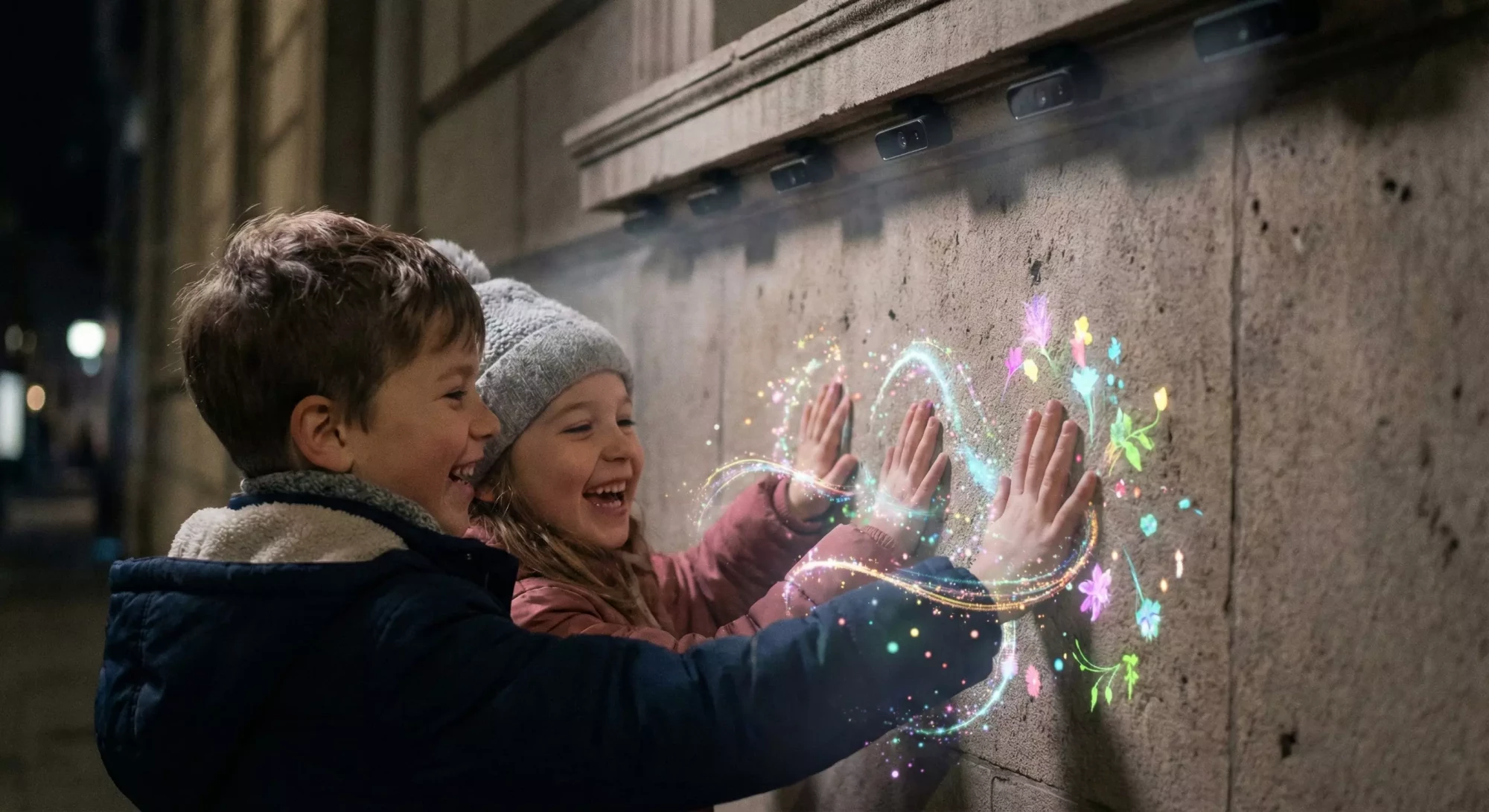
- Touchless interactive walls (hand-painting or pattern generation)
Core Technologies Behind Interactivity
1. Sensors & Tracking Hardware
- Depth cameras (Azure Kinect, Intel RealSense replacements, etc.)
- LiDAR scanners
- Thermal cameras
- Ultrasonic or IR triggers
- Microphones for audio-reactive effects
2. Real-Time Rendering Engines
Interactive visuals are typically powered by:
- Unreal Engine — advanced 3D graphics and particle systems
- TouchDesigner — industry standard for real-time media
- Notch — excellent for motion-reactive visual design
- Unity — flexible for custom experience design
These engines respond immediately to sensor input, allowing visitors to influence the visuals.
Designing an Immersive Experience
Designing interactivity involves balancing technical capability with human behavior. The most successful installations are intuitive—visitors understand how to interact without reading instructions.
Key Considerations
- Reaction speed (should feel instant)
- Clear visual feedback (people must see the result of their actions)
- Environmental lighting (dimmer areas work best)
- Safe visitor flow (no tripping hazards or equipment access)
- Durability for multi-week or seasonal installations
Popular Styles of Interactive Installations
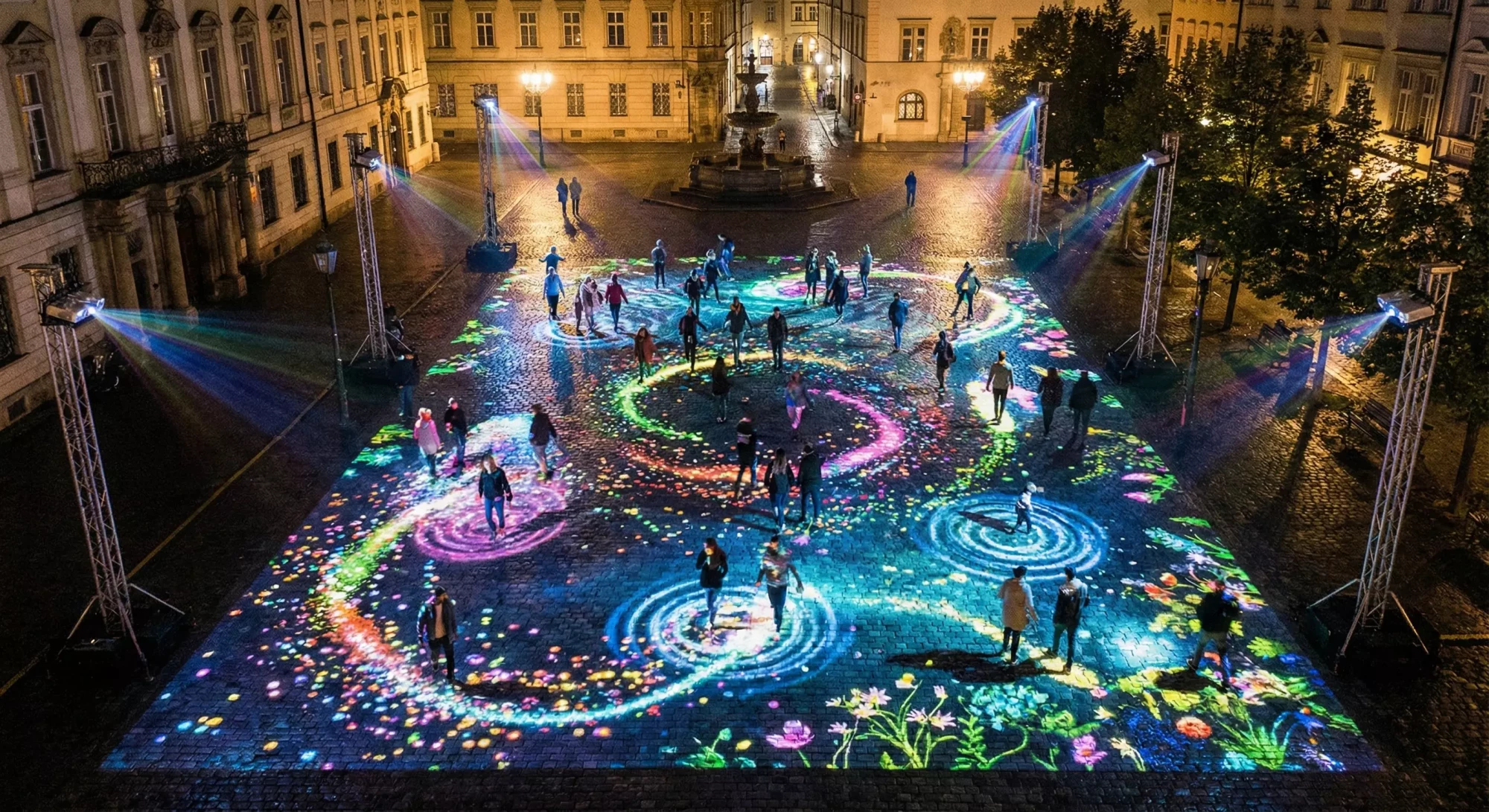
1. Interactive Ground Trails
Footstep ripples, scattering leaves, swimming fish, glowing blooms.
2. Touchless Interactive Walls
Visitors “paint” with light using gesture-based controls.
3. Motion-Driven Sculptures
Projected visuals wrap inflatables or scenic structures in response to motion.
4. Sound-Reactive Public Art
Ambient audio or live music drives motion, particles and colour.
Ideal Locations
- City plazas
- Museum forecourts
- Waterfront pathways
- Festival art districts
- Corporate lobbies
- Tourism installations
For full municipal capabilities, visit: municipal projection mapping.
Hardware Requirements
- High-brightness short-throw projectors
- Weatherproof enclosures for sensors and projectors
- Dedicated power and clean cabling
- High-performance playback hardware for real-time rendering
Why Cities & Festivals Love Interactive Installations
- High public engagement
- More social sharing
- Longer average visit time
- Great for tourism marketing
- Excellent centerpiece for seasonal light shows
Next Steps
If you want to develop a custom interactive installation, share photos and dimensions of your site through our contact page.
Interactive projection mapping turns public spaces into dynamic digital playgrounds—an unforgettable experience for visitors of all ages.