
Choosing the Right Projection Surface – Reflectance, Gain and Colour Science
Choosing the Right Projection Surface – Reflectance, Gain and Colour Science
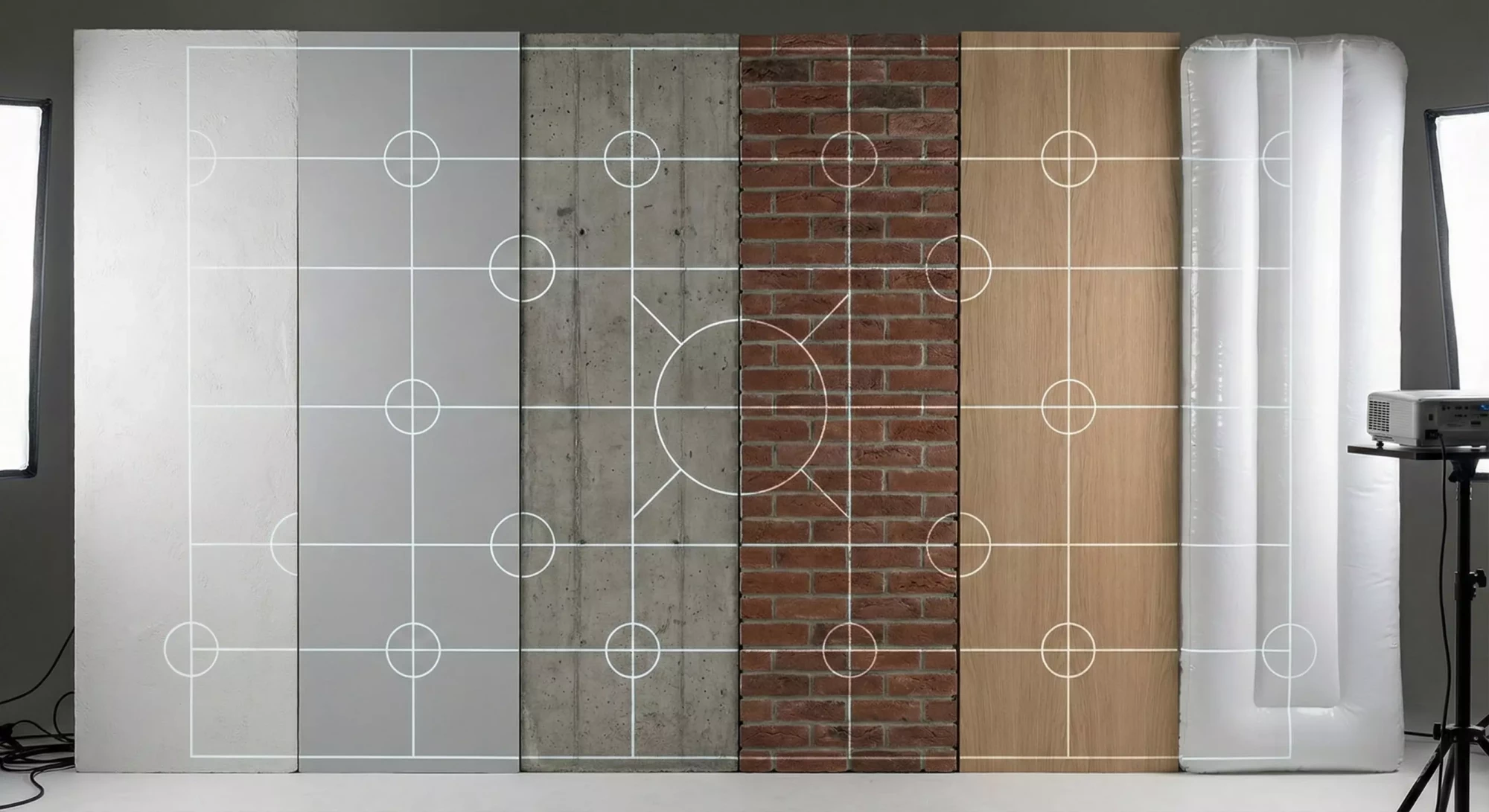
Projection mapping quality depends heavily on the surface you’re projecting onto. A bright projector can still look dull on a poor surface, while the right surface can reduce hardware costs significantly. This guide breaks down the physics of reflectance, gain and colour science so you can choose the ideal projection surface.
Understanding Reflectance
Reflectance indicates how much light a surface sends back toward the viewer. Higher reflectance = brighter image with less hardware.
- Matte white: Excellent
- Light grey: Very good
- Light concrete: Good
- Brick: Fair
- Dark surfaces: Poor
Understanding Gain
Gain describes how efficiently a surface reflects light back toward the audience.
Projection mapping typically benefits from low-gain matte surfaces.
Colour Science & Surface Tint
The colour of the surface affects the final image:
- White = accurate colour reproduction
- Grey = improved contrast
- Yellow/brown/red = visible tint in final output
Surface Texturing
- Smooth surfaces = crisp visuals
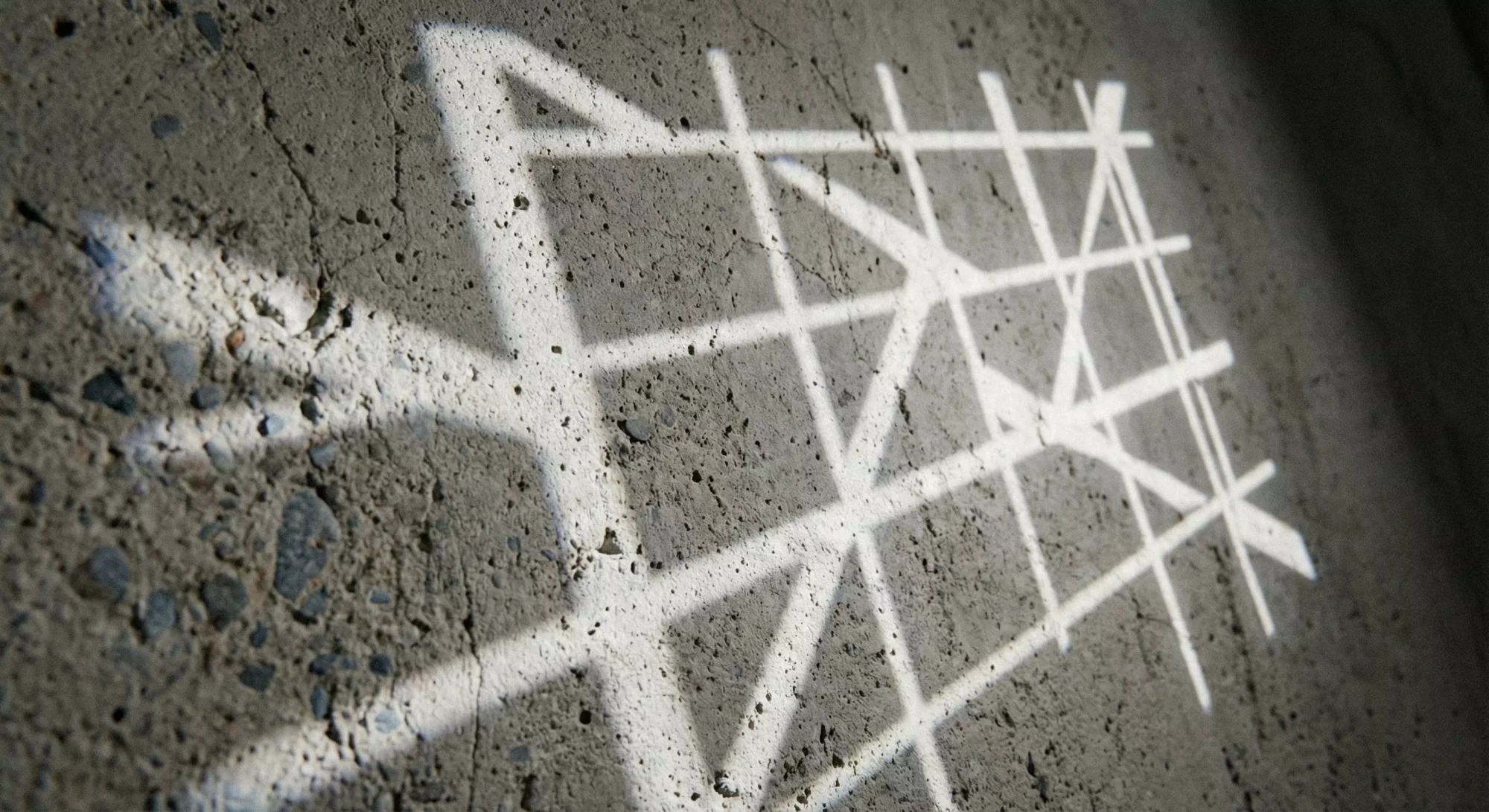
- Rough surfaces = more shadow micro-contrast
- Highly glossy surfaces = avoid (glare/hotspots)
Best Real-World Surfaces
- Light-coloured civic buildings
- Smooth stone or plaster façades
- Inflatable vinyl structures
- Festival tents
Next Steps
To assess your surface, send a daylight photo through our contact page.
Selecting the right surface saves money and improves quality more than any other factor besides projector brightness.