What Is Projection Mapping? Full Guide for Events and Cities (2025 Edition)
What Is Projection Mapping? Full Guide for Events and Cities (2025 Edition)
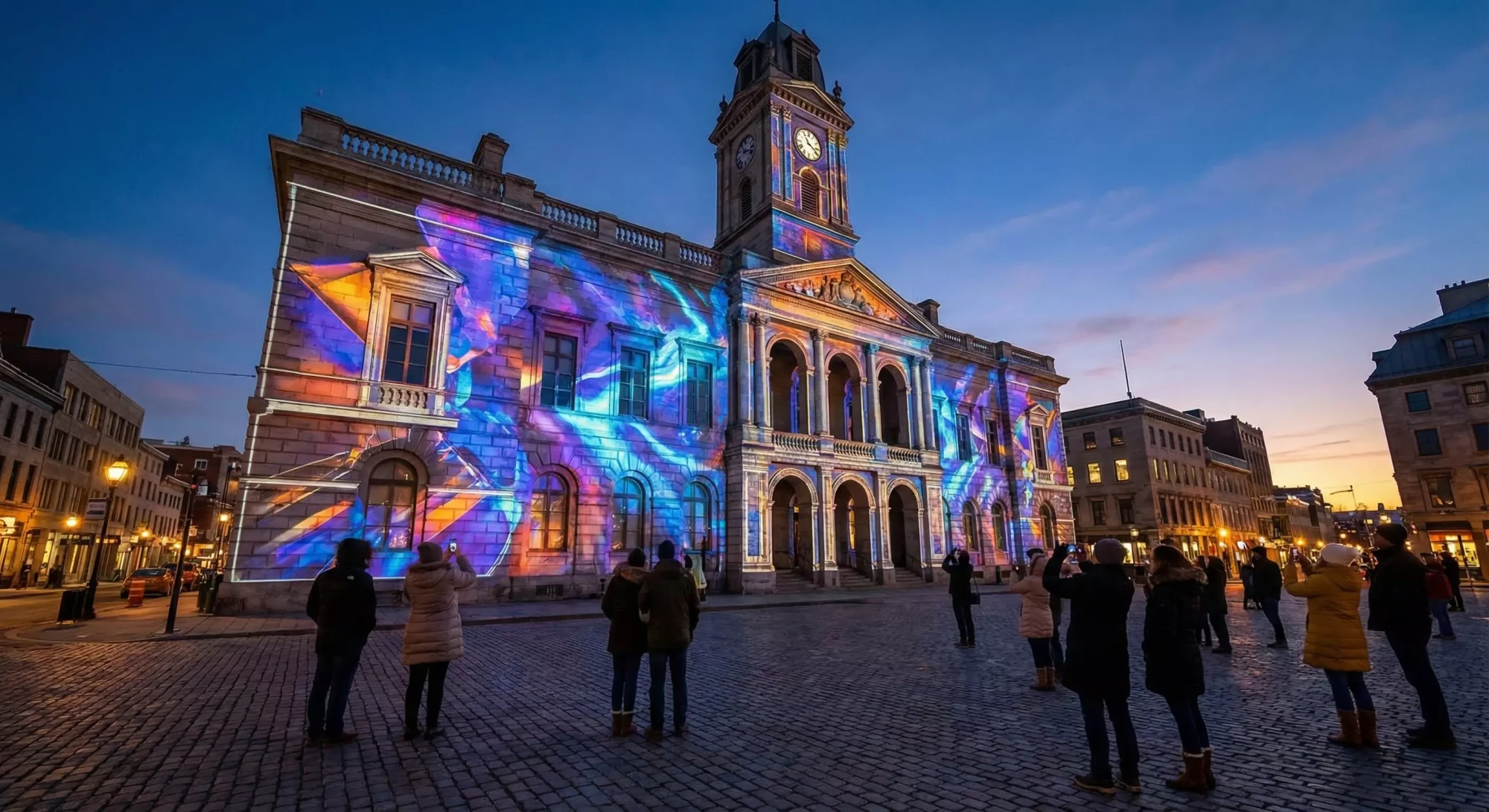
Projection mapping has become one of the most powerful ways to transform buildings, parks, stages and public spaces into immersive visual experiences. Whether you are a municipal event coordinator, festival director, recreation manager, tourism professional or a business looking to make a statement, projection mapping offers a way to create unforgettable moments without the cost and limitations of LED walls.
This guide explains what projection mapping is, how it works, what surfaces you can use, pricing ranges, and real examples. It also offers practical advice for cities, festivals and businesses planning their first projection mapping project.
What Is Projection Mapping?
Projection mapping is the process of using a high brightness projector to display visuals onto a non flat surface such as buildings, snow, cars, trees, fabric, inflatables, sculptures or architectural features. Specialized software digitally warps the content so it aligns perfectly to the edges and shapes of the surface, creating the appearance that the object itself is animated.
This is why projection mapping is so popular for building projection shows, winter festival attractions, immersive art events and high impact business advertising. A city hall can crack open, a church can glow with holiday patterns, a stage can dissolve into particles and a lineup of cars can appear to transform in front of an audience.
Why Cities and Festivals Use Projection Mapping
Cities and event organizers choose projection mapping because it creates a large visual impact without permanent construction. Buildings, parks and public spaces instantly become programmable canvases, allowing municipalities to run different shows for Christmas, Halloween, summer festivals or cultural celebrations.
It is also significantly more flexible and often more cost effective than building large LED screens. For communities hoping to bring residents downtown during the winter or extend evening activity in tourism districts, projection mapping is a reliable way to energize public spaces.
If you work in municipal government and want examples tailored to public spaces, our
municipal projection mapping services
provide detailed use cases and project types.
How Projection Mapping Works
Although projection mapping can look complex, it follows a predictable and structured workflow:
- High brightness projectors – Typically 6,000 to 20,000 lumens for outdoor events, paired with short throw lenses to cover large surfaces from closer distances.
- Projection mapping software – Tools such as MadMapper or Resolume warp the image so it aligns to the building from the audience’s viewpoint.
- Custom content animation – Holiday themes, textures, 3D animations, sponsor messages or abstract art.
- A projection surface – Buildings, snow, inflatables, cars or stage structures.
This combination makes it possible to create immersive visuals for community events, tourism activations, festivals and commercial advertising campaigns.
Surfaces You Can Project Onto
Projection mapping is not limited to flat screens. Many surface types work extremely well, making it one of the most adaptable forms of event technology.
Buildings and Architectural Facades
City halls, theatres, churches and museums are ideal because they provide a large, textured surface that looks beautiful when illuminated. Projection mapping highlights arches, stonework and architectural depth.
Snowbanks and Winter Surfaces
Snow is a surprisingly effective projection surface. Winter festivals often use snowbanks or hills as natural screens, creating glowing landscapes and animated light sculptures without any construction.
White Inflatables and 3D Shapes
Inflatable spheres, arches and custom structures provide a three dimensional surface for dynamic content. These are commonly used at music festivals and cultural events to create sculptural projection effects.
Fabric Structures and Tents
White tents, scrims and translucent fabrics are excellent projection surfaces. Rear projection is also possible, creating immersive walk through or stage experiences.
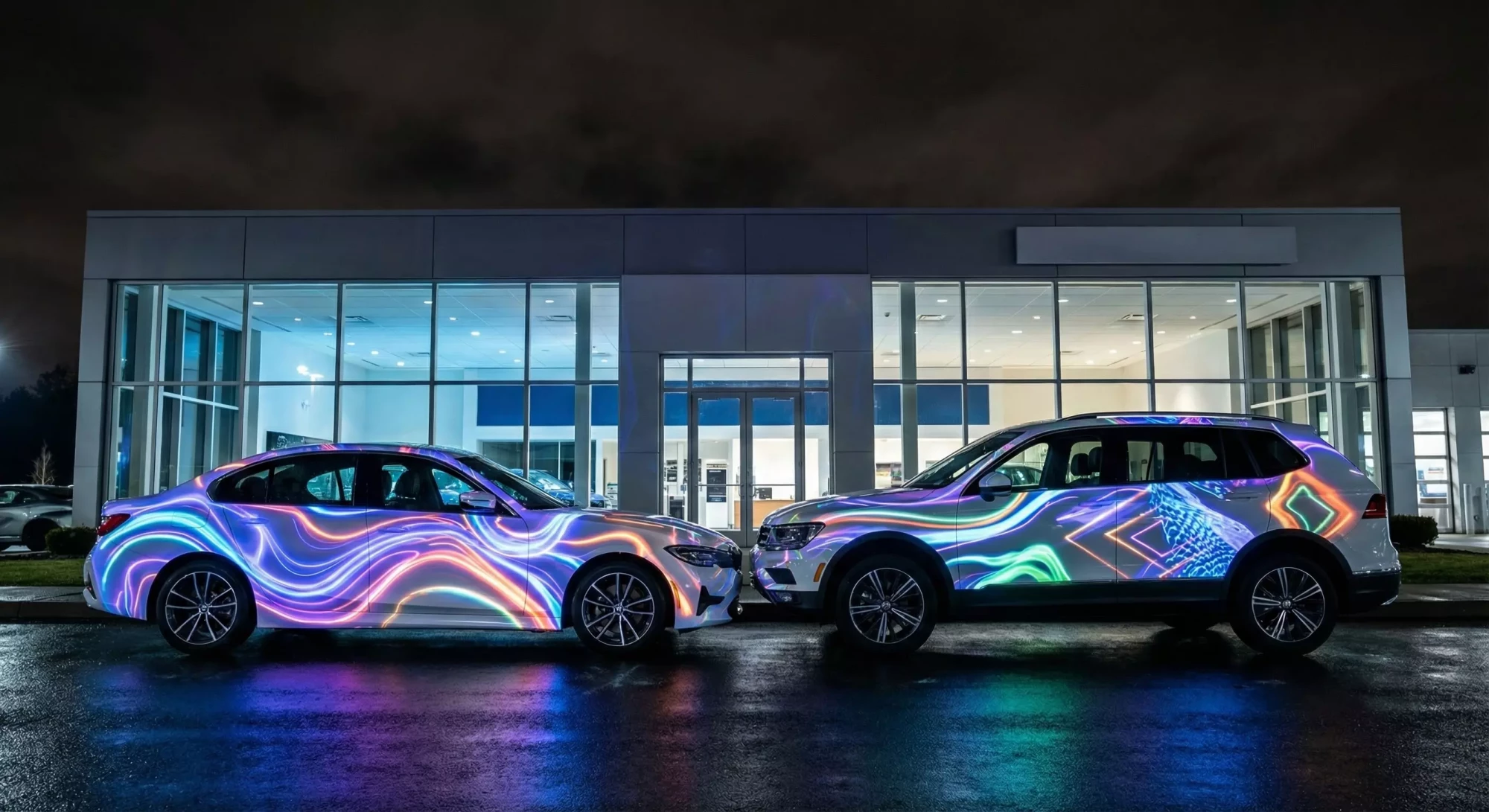
White Cars at Dealerships and Events
Projection mapping on cars is increasingly popular for automotive events and dealership promotions. White vehicles reflect light extremely well, allowing animations and gradients to flow across the body lines.
Dealerships use projection mapping for:
- Evening promotional events
- Model unveilings
- Holiday showcases
- Community sponsorship activity
Businesses exploring high impact advertising can review our
business projection mapping services.
How Bright Should a Projector Be?
Brightness requirements depend on surface type, ambient light and the size of the projection. Here are realistic guidelines for outdoor projection mapping:
| Surface type | Recommended lumens | Notes |
|---|---|---|
| Brick or stone building | 10,000 to 18,000 | Darker surfaces require more brightness |
| White building | 6,000 to 12,000 | Very efficient reflection |
| Snow | 8,000 to 14,000 | Bright but textured surface |
| Cars | 6,000 to 10,000 | Glossy surfaces reflect well |
| Inflatables | 6,000 to 12,000 | Excellent for 3D content |
Outdoor installations also require environmental protection. High brightness projectors are typically installed inside weatherproof housings. You can see examples of these on our
projection enclosures page.
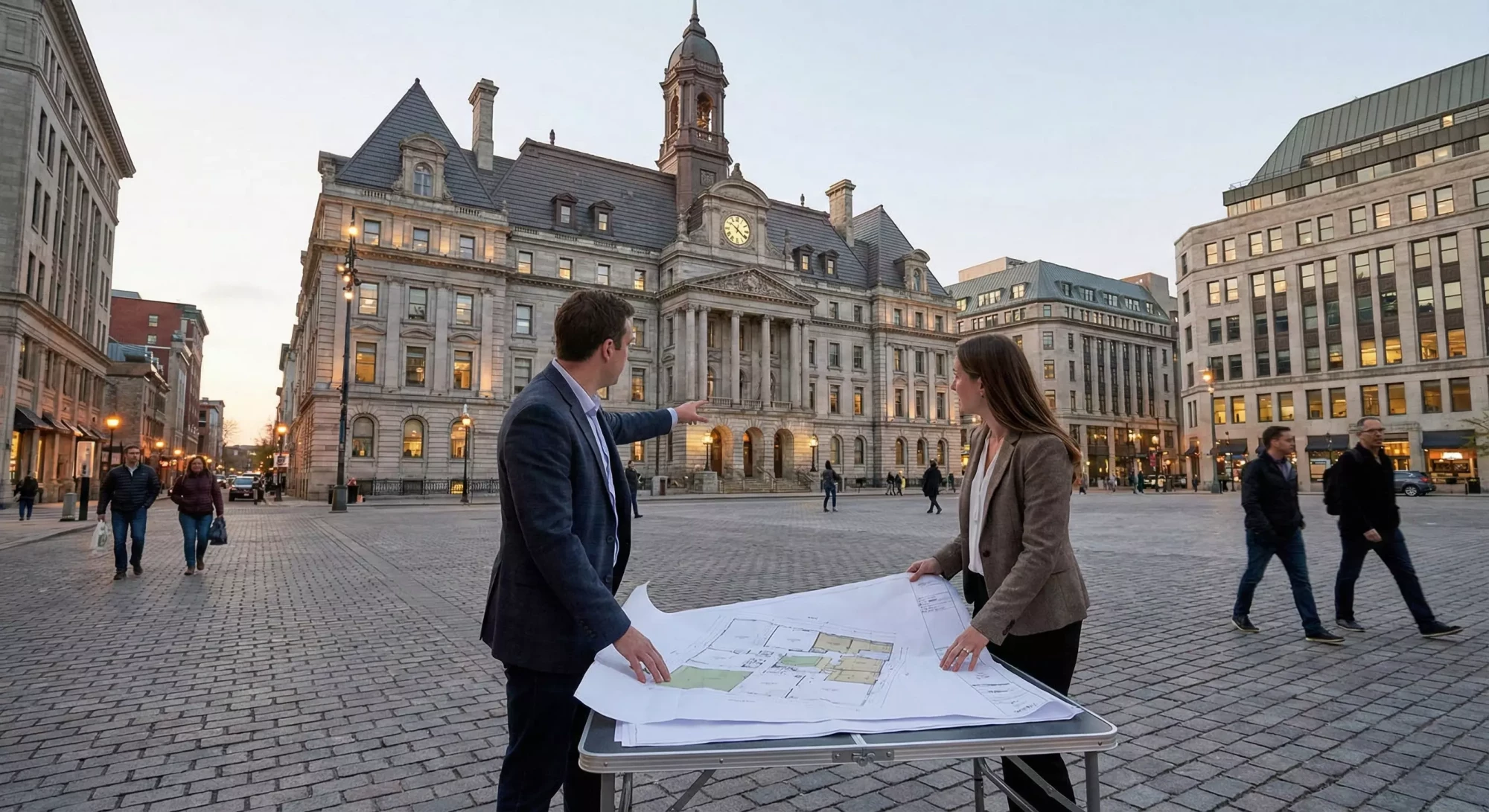
How Projection Mapping Shows Are Planned
A successful projection mapping project follows a structured workflow. Understanding these steps makes planning easier for municipalities, festivals and businesses.
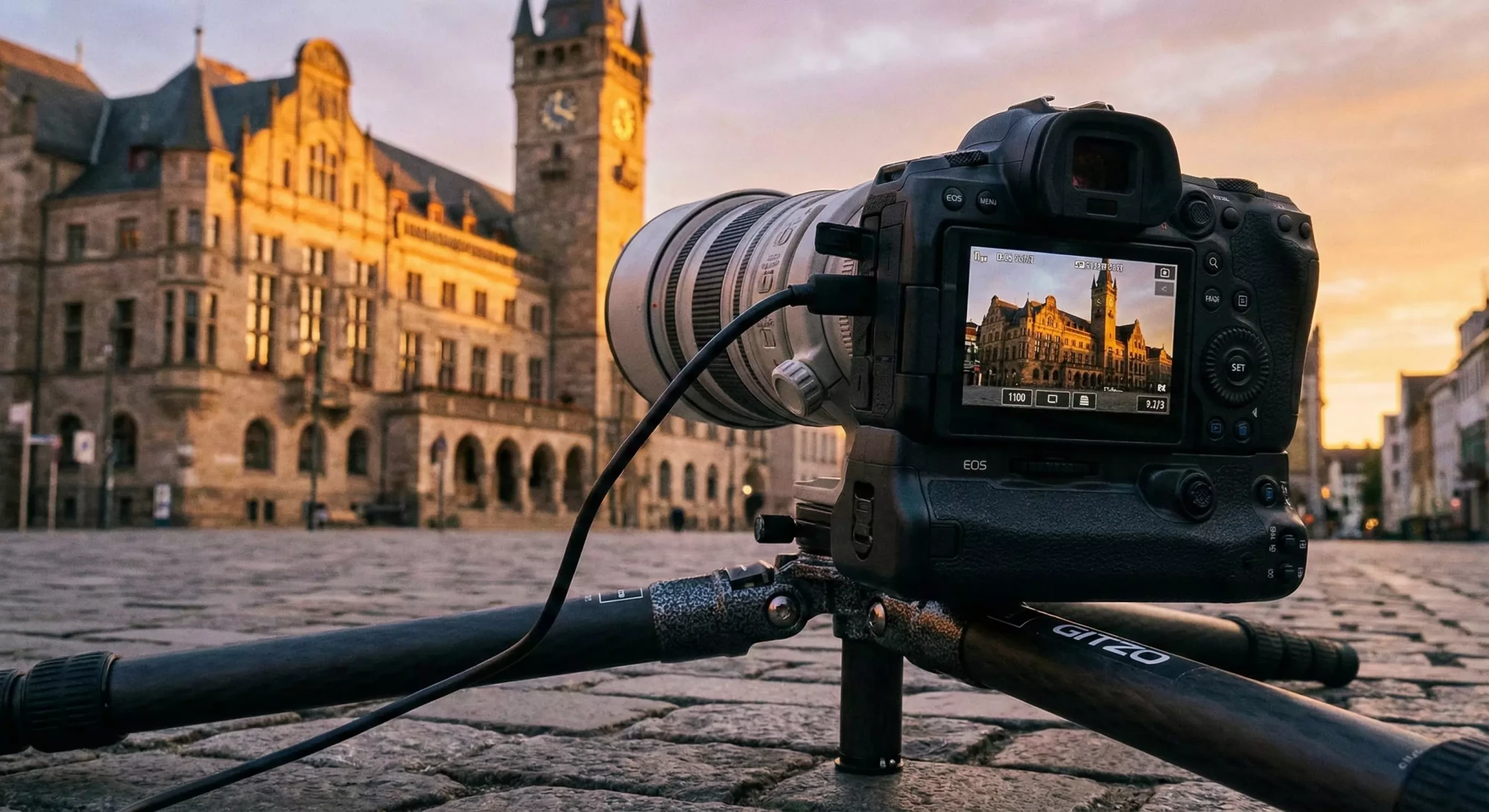
1. Site Scan and Photography
High resolution photos and measurements of the building or surface are captured to build the projection map. These references ensure the animation aligns perfectly.
2. Technical Planning
Projection distance, lens type, viewing angles, mounting locations, cable routes and potential obstructions are evaluated. Proper planning ensures a bright and distortion-free show.
3. 3D Modeling
A 3D model of the building or projection surface is created, allowing designers to craft animations that interact with architectural details like windows, columns and trim.
4. Content Creation
Custom animations are designed based on the event—holiday themes, cultural visuals, branded content, abstract scenes or narrative sequences.
5. On Site Setup and Alignment
Projectors are mounted on truss, rooftops or poles, then aligned using projection mapping software. The visuals are warped so they line up precisely with the real structure.
6. Automation and Scheduling
Most municipal and festival installations are programmed to play automatically on nightly schedules, allowing the show to run with minimal staff involvement.
What Projection Mapping Costs
Pricing depends on complexity, content and size, but typical ranges are:
- Small municipal activation: 5,000 to 15,000
- Medium building show: 15,000 to 45,000
- Large festival installation: 40,000 to 150,000+
If you’d like a quote tailored to your building or event, you can send photos and details through our
contact page.
Ready to Explore Projection Mapping for Your Event?
Projection mapping can turn any surface into a high impact visual experience, from city halls and parks to dealership lots and festival stages. If you want ideas specific to your location or event, explore our services:
- Municipal Projection Mapping
- Seasonal & Holiday Projection Mapping
- Business & Advertising Projection Mapping
For project recommendations or pricing, you can reach out directly through our
contact form.