
How Projection Mapping Enhances Public Art and Cultural Exhibits
How Projection Mapping Enhances Public Art and Cultural Exhibits
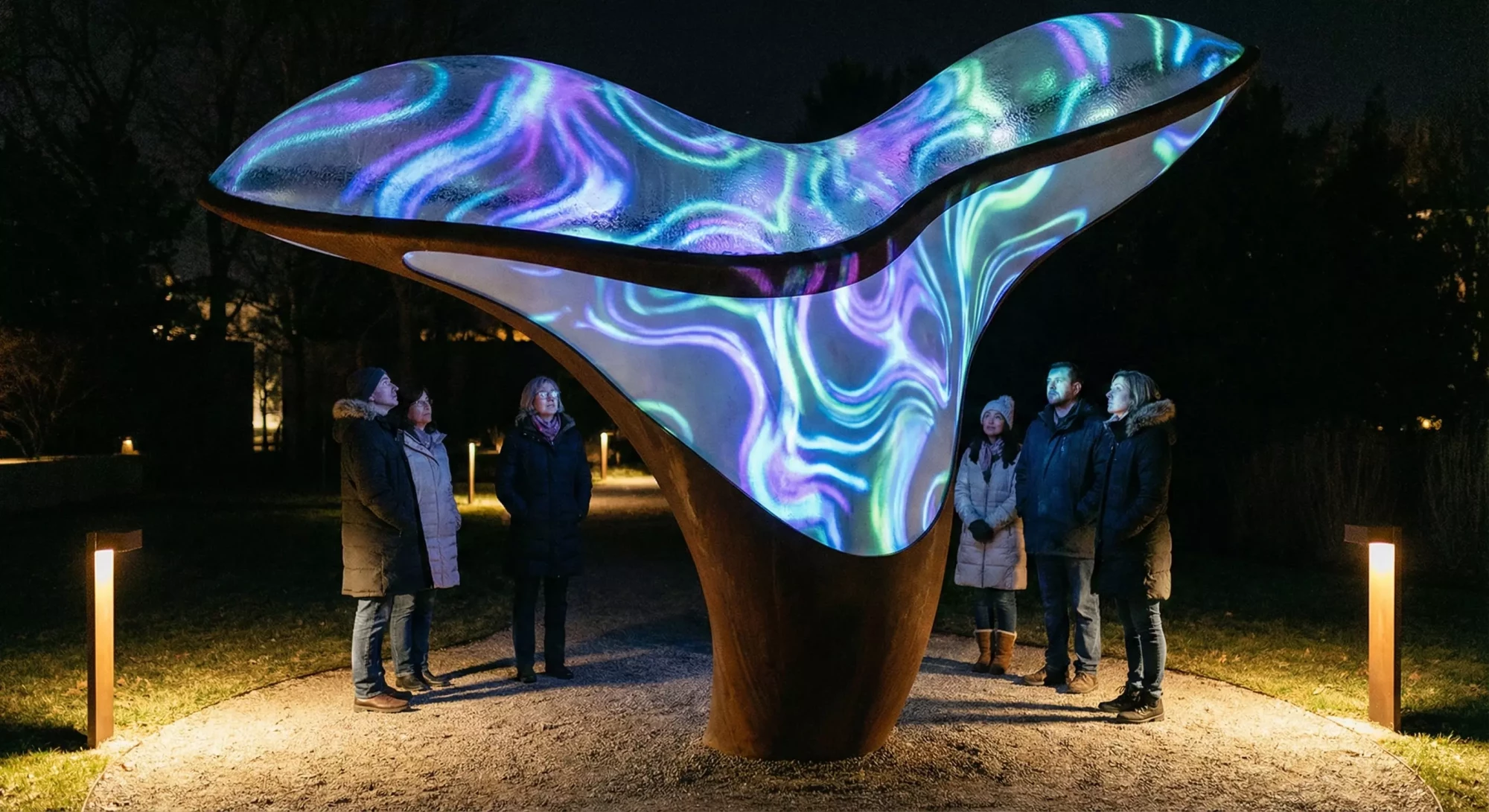
Public art and cultural exhibits are essential tools for storytelling, placemaking and community engagement. Projection mapping enhances these installations by adding animation, colour, atmosphere and narrative depth without altering the physical artwork. Whether used on sculptures, murals, building façades or museum pieces, projection mapping makes cultural experiences more immersive and memorable.
This guide explains how municipalities, museums, tourism groups and artists can use projection mapping to elevate public art and cultural programming.
Why Projection Mapping Works So Well for Art
Art installations depend on emotion, attention and interpretation. Projection mapping enhances these qualities by:
- Adding motion to static sculptures and architectural elements.
- Softly highlighting textures and forms without physically touching the artwork.
- Presenting multiple artistic layers on a single piece.
- Turning nighttime environments into accessible cultural spaces.
Public exhibits that previously only functioned during daytime now become illuminated nighttime attractions—boosting tourism and community presence.
Use Cases for Public Art Projection Mapping
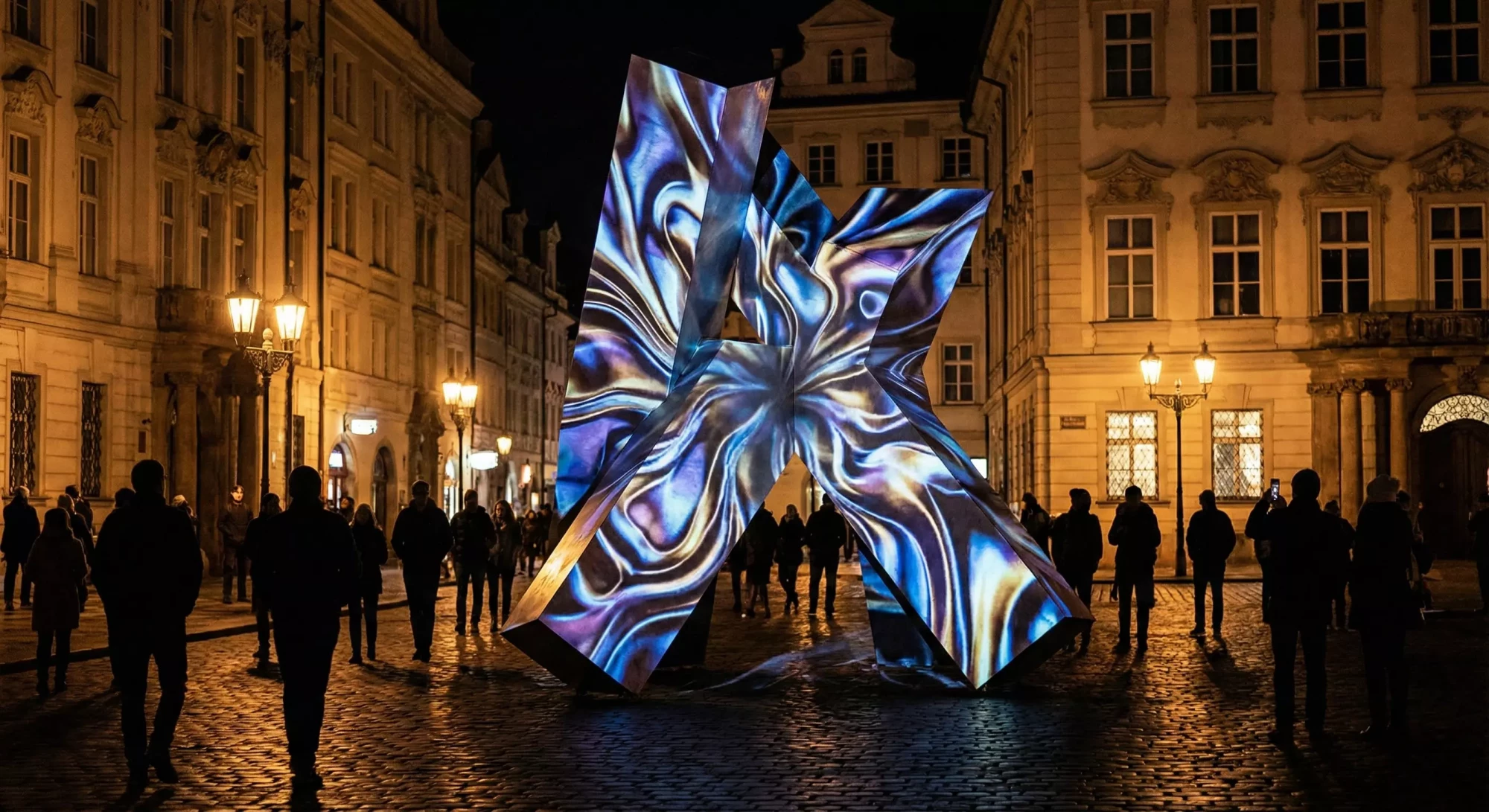
1. Enhancing Permanent Sculptures
Cities can temporarily animate permanent sculptures during festivals, cultural nights or tourism campaigns. Projection overlays can:
- Highlight curves, shadows and materials
- Introduce animated themes (seasons, local history, abstract visuals)
- Celebrate holidays or cultural moments
2. Cultural Storytelling and Heritage Programming
Projection mapping can help share stories through colour, abstraction and environmental visuals. Without projecting logos or literal symbols, cities can present:
- Landscape-inspired themes
- Community-rooted symbolism
- Artistic interpretations of local stories
This gives cultural institutions a dynamic tool to engage the public respectfully and creatively.
3. Museum Exhibitions and Temporary Installations
Museums increasingly use projection mapping to bring static displays to life. Examples include:
- Animating historical dioramas
- Highlighting restoration work
- Creating immersive storytelling rooms
- Augmenting sculptural installations with animation
4. Nighttime Public Art Walks
Cities can run multi-location projection art walks where residents explore mapped installations across:
- Plazas
- Parks
- Waterfronts
- Historic districts
These events draw significant foot traffic and support nearby businesses.
Technical Considerations for Art-Focused Projection Mapping
- Surface colour: Matte, light-coloured surfaces display content best.
- Ambient light: Lower is better for fine artistic details.
- Throw distance: Choose a safe, unobstructed projector position.
- Weatherproofing: Outdoor exhibits need protective enclosures.
Learn more about outdoor projector protection in our projection enclosure overview.
Starting a Public Art Projection Mapping Project
If you’re planning a cultural exhibit, begin by:
- Photographing the sculpture or space
- Measuring its approximate dimensions
- Identifying where people will stand and observe
You can then submit your site details through our contact page for recommendations tailored to your project.
Projection mapping deepens emotional impact and transforms cultural spaces into immersive nighttime experiences that residents and visitors never forget.