

Projection Mapping Safety, Regulations and Municipal Compliance
Projection Mapping Safety, Regulations and Municipal Compliance
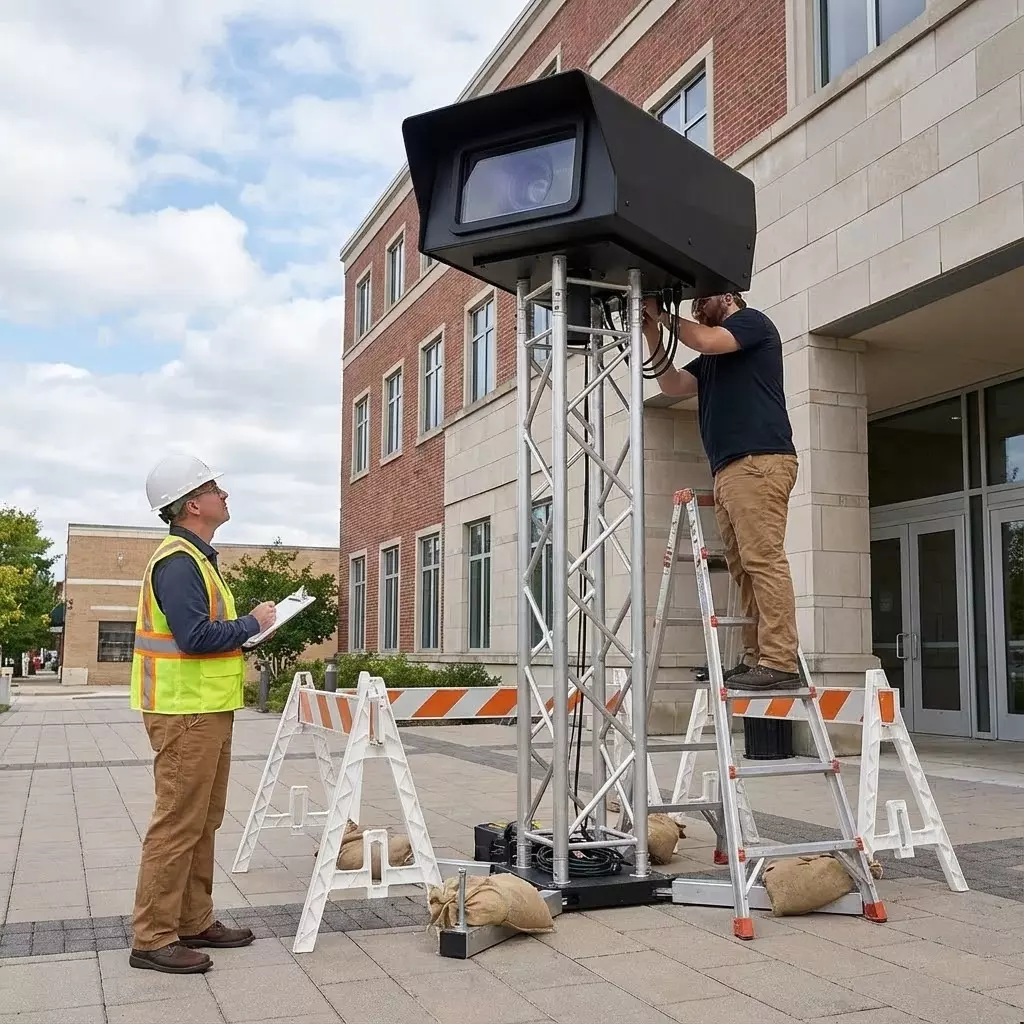
Projection mapping involves electrical equipment, structural mounting, public spaces and large audiences—so municipalities take safety seriously. Whether you’re hosting a festival, city activation or corporate event, understanding safety and compliance requirements ensures your installation is secure, legal and approved on time.
This guide covers the essential safety, regulatory and municipal considerations for projection mapping projects of all sizes.
Why Safety and Compliance Matter
Projection systems involve:
- High-brightness lasers (inside projectors)
- Heavy equipment mounted on structures or rooftops
- Electrical load requirements
- Weather exposure for outdoor events
- Public proximity in most installations
Municipalities require proper engineering and approvals to ensure the installation meets local by-laws, electrical safety standards and risk mitigation guidelines.
Key Permits and Approvals Needed
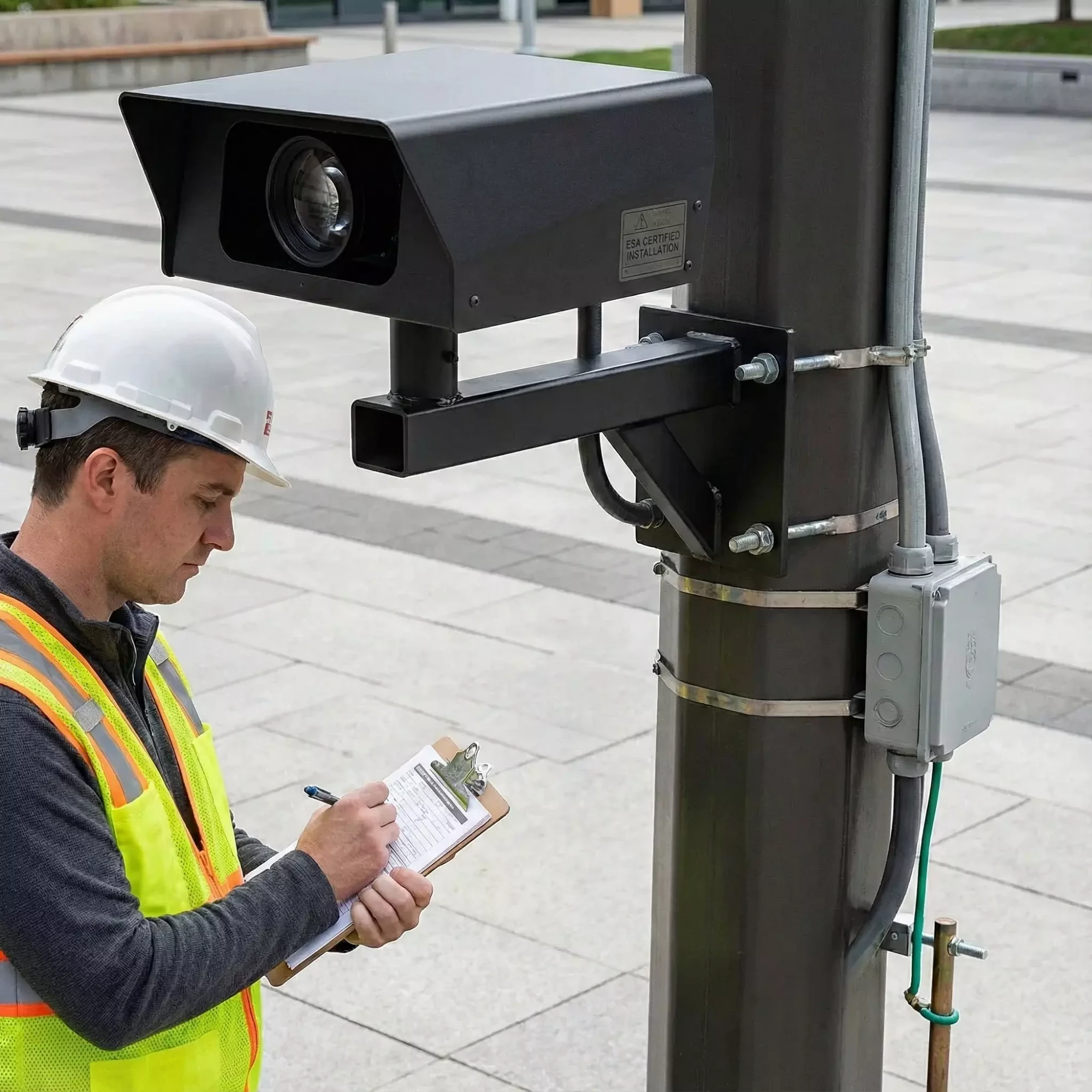
1. Electrical Safety Certification
In many regions, including Canada, electrical setups must comply with electrical safety authorities. This includes:
- Approved outdoor-rated enclosures
- Weatherproof connectors
- Proper grounding and cable management
- Safe load distribution
2. Structural Engineering Approval
Any truss, pole, rooftop or cantilevered mount must be engineered to handle:
- Wind loads
- Equipment weight
- Public proximity
- Snow accumulation (where applicable)
3. Public Space and Road Occupancy Permits
If projectors are placed:
- In a plaza
- On a sidewalk
- On a rooftop facing a street
- In a public park
You may need municipal approval for temporary or semi-permanent structures.
Safety Requirements for Projection Mapping
- Cable protection: All cables must be secured, weather-rated and kept out of pedestrian areas.
- Enclosures: Outdoor projectors require sealed, temperature-controlled housings.
- Locking hardware: Prevents unauthorized access or vandalism.
- Laser safety: Projectors must be aimed above eye level and properly shuttered during alignment.
- Emergency shutoff: Accessible power disconnect switches for staff or emergency responders.
Explore our outdoor projector hardware here: projection enclosures.
Working With Municipal Staff and Inspectors
Strong communication with city departments speeds up approval and avoids delays. Best practices include:
- Providing drawings and diagrams of projector placement
- Supplying equipment specifications (projector, enclosure, truss)
- Outlining power requirements and safety protocols
- Submitting a risk assessment if required
Event organizers should coordinate with:
- Parks & Recreation
- Facilities department
- Fire services
- Electrical safety authorities
Tips for a Smooth Approval Process
- Start 4–8 weeks before the event
- Use professional-grade mounting hardware
- Ensure all outdoor equipment is rated for your climate
- Document all cabling, grounding and electrical plans
- Perform on-site tests before public opening
Next Steps
If you’re planning a public projection mapping installation, you can send layout photos and equipment details through our contact page. We’ll help ensure your installation meets municipal safety standards and passes inspection smoothly.
Projection mapping is safe, compliant and reliable—as long as it’s engineered and installed with care.