

Municipal Projection Mapping RFP: What to Include Before You Ask for Bids
Municipal Projection Mapping RFP: What to Include Before You Ask for Bids
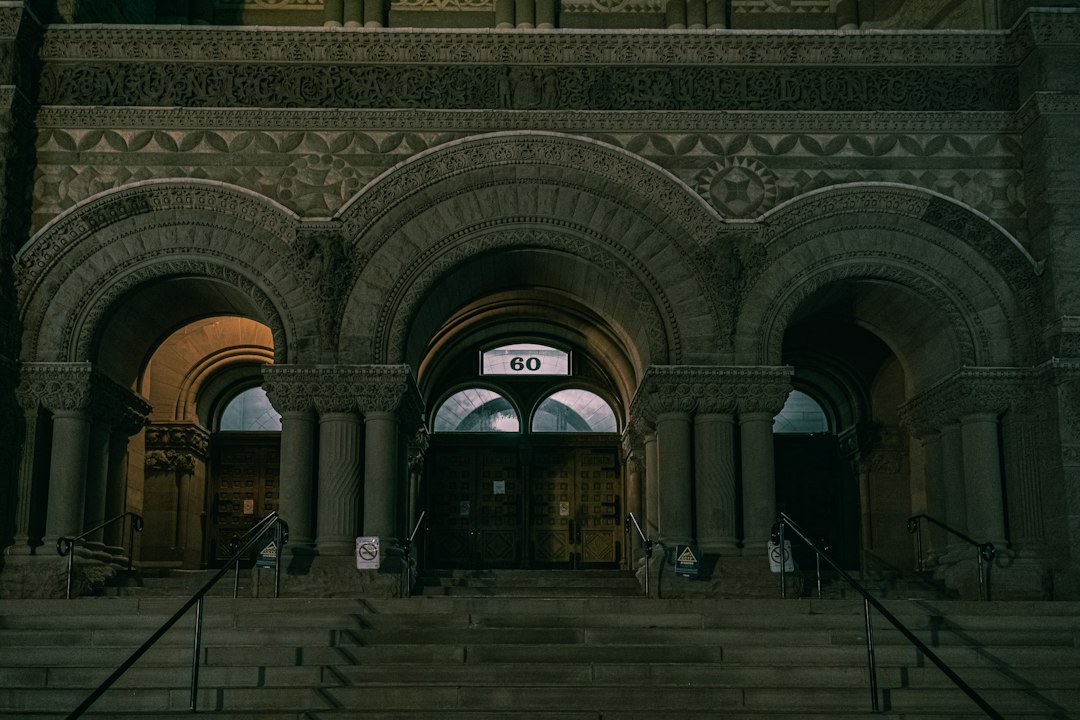
Featured photo: Jay Bhadreshwara / Unsplash. Toronto Old City Hall is shown as an architectural reference.
A city can describe a projection mapping idea in one sentence: illuminate a downtown building with changing seasonal content. Bidders still need to know where equipment can go, who controls the building, what the system must do and who operates it after handover. If those decisions remain unstated, proposals may price entirely different projects.
This guide is for municipal teams preparing a request for proposals (RFP) for a permanent architectural projection installation. It focuses on the information that lets creative and technical suppliers respond to the same brief.
Start with the public outcome, then define the site
Say what the display is meant to achieve: a nightly attraction, a series of seasonal shows, public art, event support or some combination. Include the desired operating calendar, typical show length, expected viewing areas and any content approval process. Those choices affect controls, equipment duty, staffing and the creative workflow.
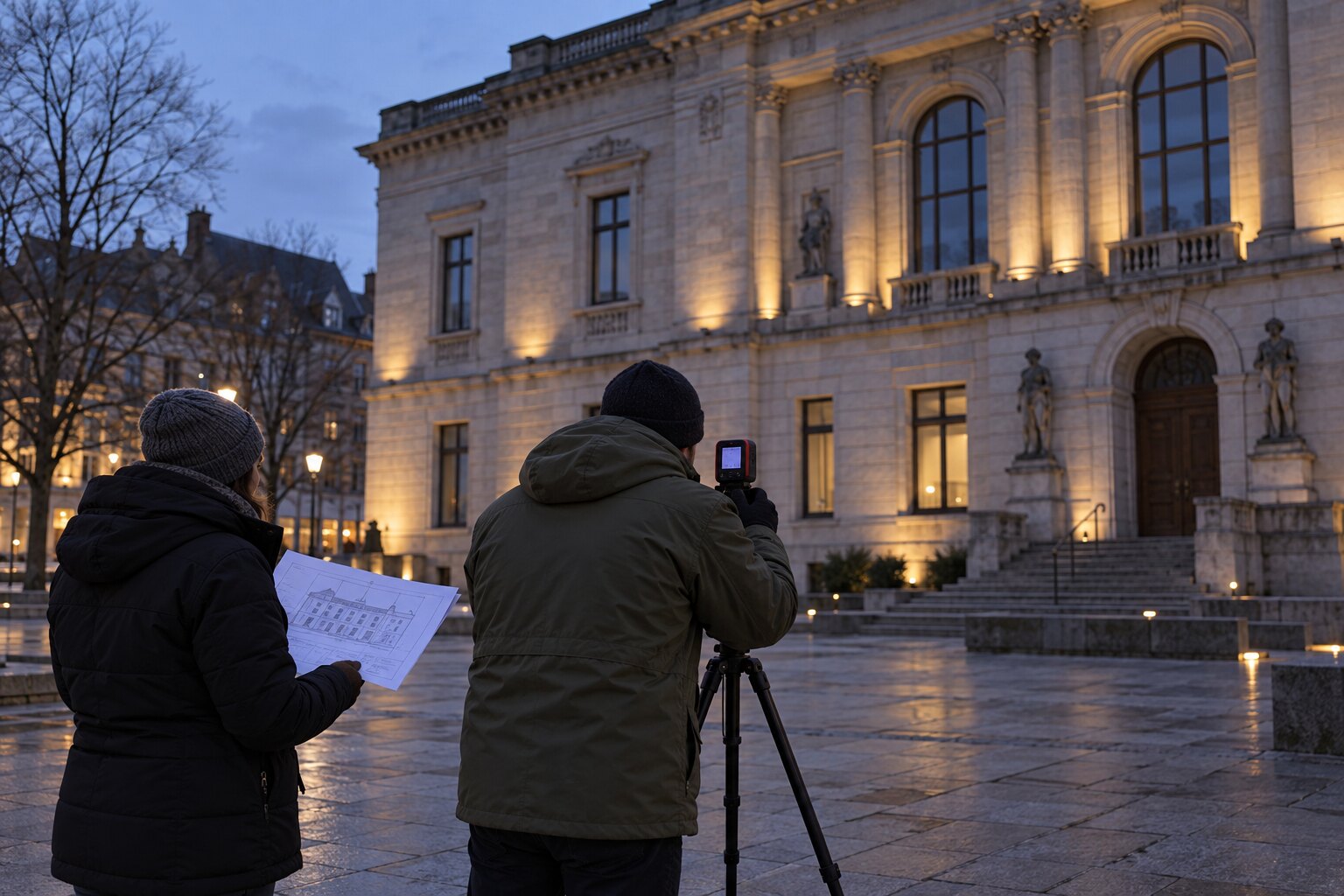
Provide a site package with current photographs taken in daylight and after dark, approximate dimensions of the projection surface, available drawings, known power locations, candidate projector positions and any access restrictions. Identify windows, signs, trees, traffic, architectural details and neighbouring light sources. If the city cannot provide a measured survey yet, state that clearly and make the survey a defined project phase. Our site survey checklist can help organize the first visit.
Specify performance without prescribing a projector model
Ask bidders to show their proposed image area, throw geometry, projector and lens selection, expected appearance under the site’s ambient lighting and how they will validate the result on the actual surface. A lumen figure alone does not tell the city how the finished image will look. Surface colour, image size, throw distance, lens efficiency and surrounding lights all matter.
Where site information is incomplete, invite bidders to state assumptions and identify tests needed before final equipment selection. This makes uncertainty visible instead of hiding it inside a fixed price.
Separate the base installation from content and future seasons
A permanent system is reusable infrastructure. The initial show is only one use of it. Define the base scope for mounts, weather protection, power distribution, playback, controls, installation, alignment, commissioning and documentation. Then define the creative deliverables separately: first-show duration, number of revisions, music and licensing responsibilities, file formats and approval milestones.
Ask how a new Christmas program, civic celebration or tourism campaign would be created and loaded later. The answer should explain who owns source files, who can update schedules, whether the city needs specialist software or training, and what supplier support is available. This is where two similarly priced bids can have very different long-term value.
Make outdoor operation and service measurable
For every outdoor equipment location, request the proposed mounting, environmental protection, ventilation or climate strategy, security provisions and safe service access. Ask bidders to explain how they will deal with heat, cold, moisture, dirt and power interruptions at that specific site. A generic claim that a projector is “outdoor ready” is not a maintenance plan.
Require a practical service outline: routine inspection tasks, filter or window cleaning access, alert or fault reporting, expected consumables, spare-parts approach and who responds when the display fails on a holiday weekend. If an outdoor projector enclosure is proposed, ask for compatibility with the selected projector and lens, plus access and thermal details rather than only an enclosure size.
List approvals and ownership at the outset
Identify who controls the building and projector location, who grants access, and which parties review structural attachment, electrical work, heritage considerations, public-space use and neighbour impacts. The RFP can ask the supplier to coordinate technical submissions, but it should say which approvals and trades are within the contract. Municipal procurement and approval rules vary; the city’s own procurement and facilities teams should confirm the required process.
State who owns installed equipment, project files, mapping data and creative assets at handover. Request as-built drawings, equipment settings, operating instructions, administrator access, staff training and warranty contacts. If the city expects the same system to support multiple content creators, make that an explicit deliverable.
Use a bid schedule that exposes the real cost
Ask for separate prices for site assessment, design, hardware, installation, commissioning, first content package, training and optional maintenance. Include a common set of assumptions for power, structural work, lift access and after-hours labour. Ask bidders to identify exclusions and a proposed change process.
Evaluation criteria should reflect the project: technical fit, site-specific approach, content workflow, service access, delivery plan, team capability and total cost. Canada’s federal procurement guidance distinguishes mandatory requirements from evaluation criteria and emphasizes criteria tied to the work; municipal teams should apply their own policies when setting weights and thresholds. See the Office of the Procurement Ombud’s review of evaluation criteria for a useful general reference.
A short RFP package checklist
- Public purpose, audience, operating dates and budget range
- Site photos, approximate dimensions, drawings and candidate equipment locations
- Required image area and acceptance process
- First-show content scope and future update workflow
- Mounting, electrical, outdoor protection and service responsibilities
- Approvals, access, commissioning, training and handover deliverables
- Common pricing schedule, assumptions and evaluation criteria
If the site is still exploratory, a phased procurement may be more useful than pretending every detail is known. A site assessment can establish feasible projector positions and a realistic scope before the city requests a fixed installation price.
Planning a civic building or downtown display? Explore our permanent projection mapping installations and send us the location, photos, target dates and procurement stage. We can help identify the technical questions to resolve before the project is priced.