

Permanent or Temporary Projection Mapping? How to Choose
Permanent or Temporary Projection Mapping? How to Choose
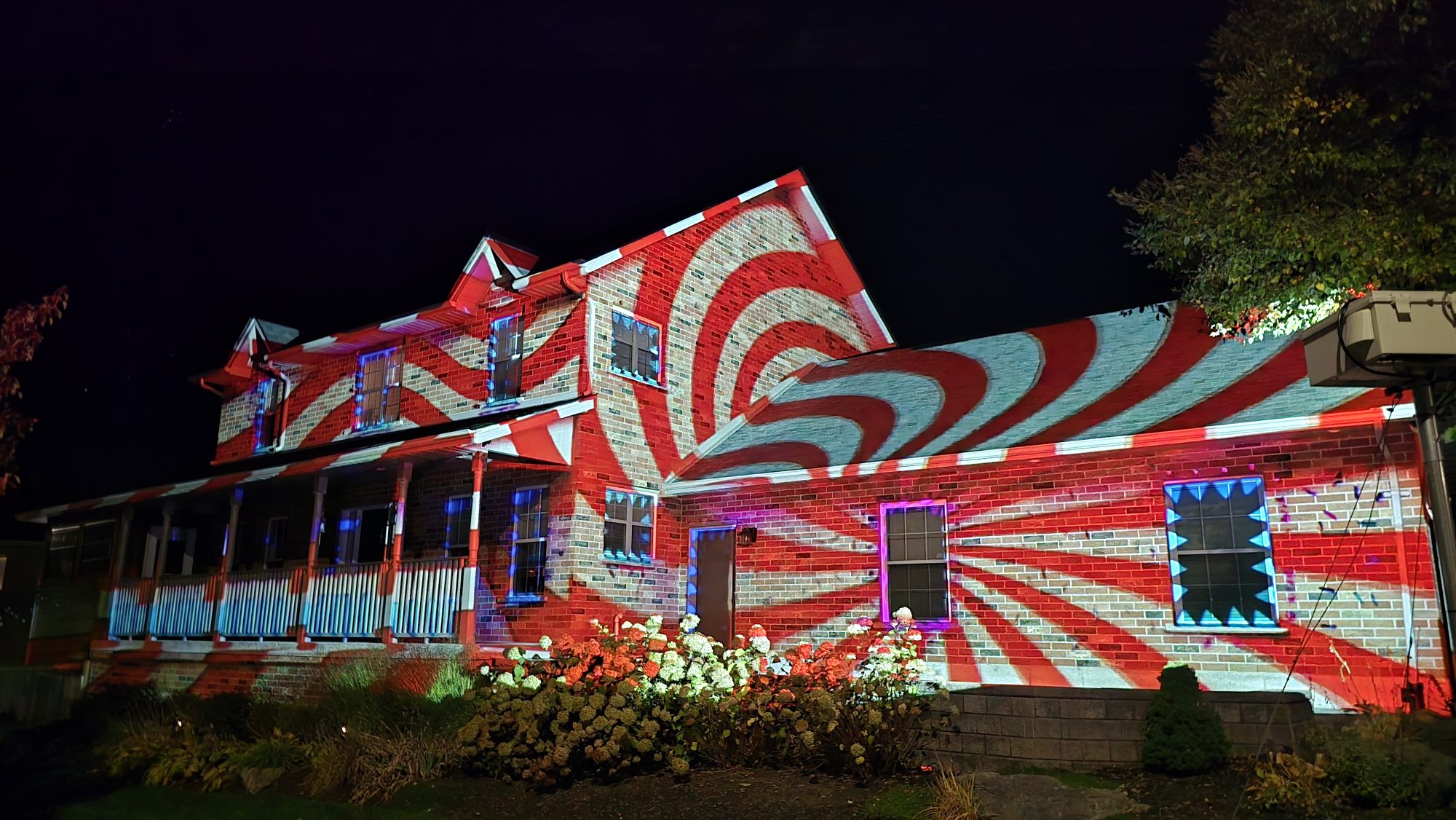
Choosing between a temporary projection-mapping show and permanent infrastructure affects far more than the installation schedule. It changes the equipment strategy, approvals, operating responsibilities, maintenance plan and the kinds of content a venue or municipality can run over time.
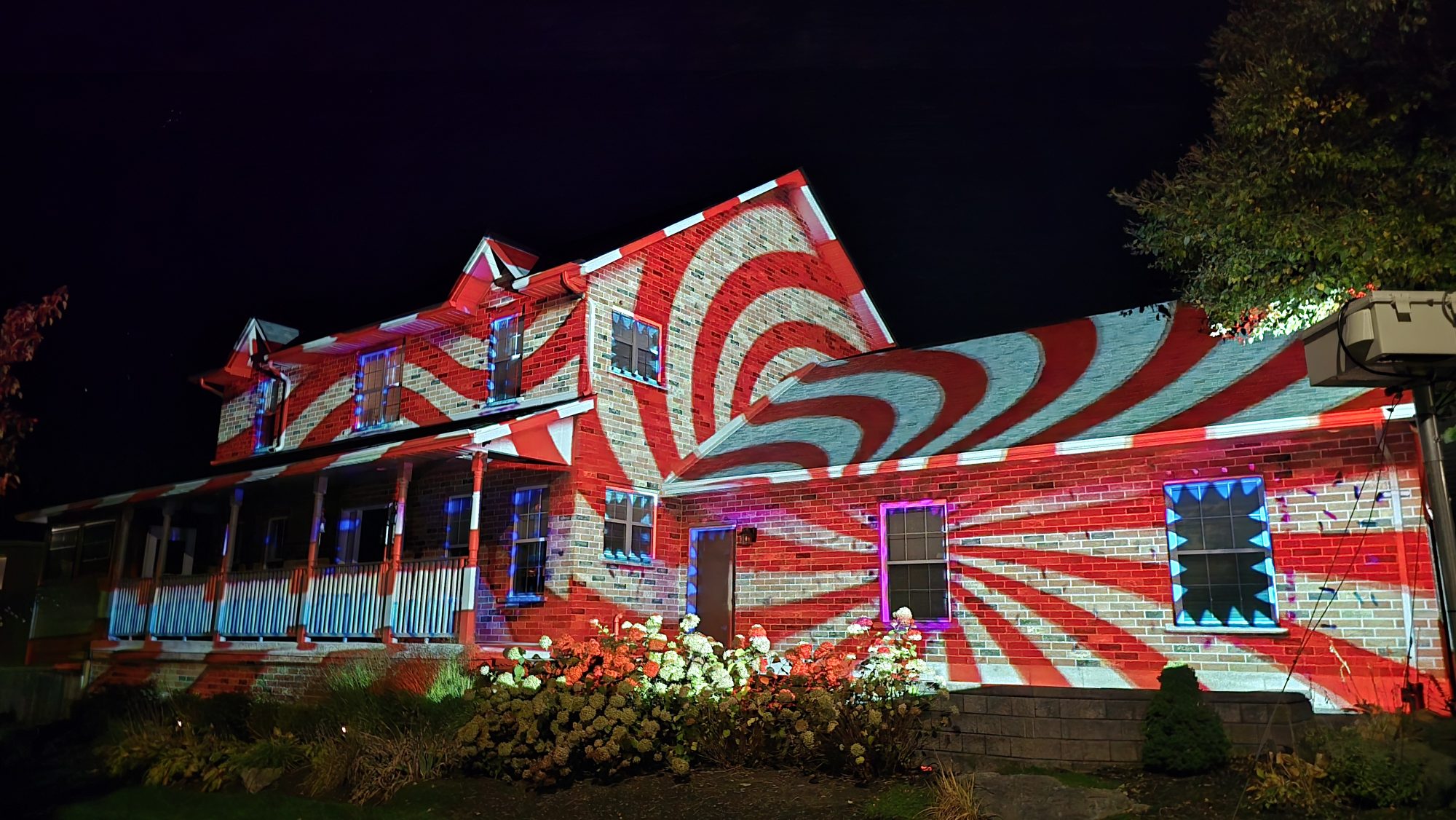
When a temporary projection installation makes sense
Temporary projection is usually the right fit when a project is tied to a single festival, seasonal program, corporate activation or short run. Equipment can be brought in for a defined window, configured for the site and removed when the event is complete.
This model can reduce the initial commitment, but it puts more pressure on production planning. The schedule must account for load-in, rigging, alignment, content testing, weather protection, cable management, daily checks and load-out. Event teams also need clear ownership of power distribution, security, weather decisions and overnight storage.
Typical temporary-project questions
- How many nights will the system operate?
- Can the site support safe projector positions and cable routes?
- Who supplies power, barriers, rigging and overnight security?
- What happens if rain, snow or wind interrupts the schedule?
- How much content and technical rehearsal time is available?
When permanent infrastructure is the better investment
Permanent projection infrastructure is worth considering when a building, landmark, attraction or downtown space will host recurring programming. The same installation can support Christmas content, winter attractions, civic campaigns, tourism programming, festivals and other seasonal events without rebuilding the technical foundation each time.
The value is not simply that projectors stay in place. A permanent system can provide planned mounting locations, protected cable routes, service access, equipment security and a repeatable operating process. New content can then be introduced without starting the site-planning process from zero.
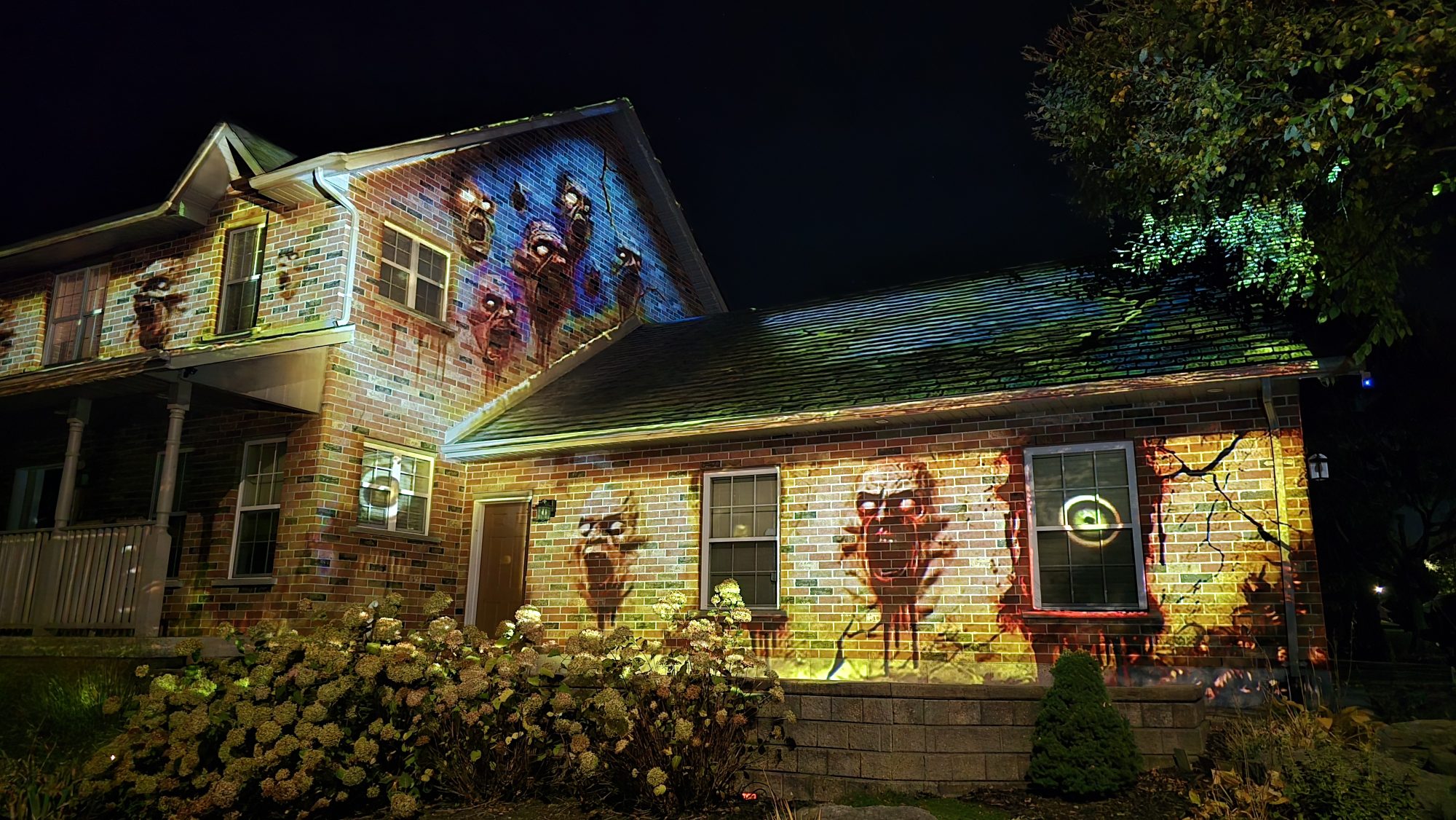
A practical comparison for municipalities and venue owners
| Decision factor | Temporary installation | Permanent infrastructure |
|---|---|---|
| Best fit | One event or short season | Recurring programming and multiple seasons |
| Up-front commitment | Lower capital commitment | Higher planning and infrastructure commitment |
| Set-up effort | Repeated load-in and alignment | Repeatable operation after commissioning |
| Content flexibility | Designed around the event window | New content can run on the same infrastructure |
| Ownership | Often led by an event producer or supplier | Requires a long-term owner and maintenance plan |
What to include in the decision before requesting quotes
Start with a two- to five-year programming outlook rather than a single event date. List the buildings or surfaces, expected audiences, operating months, content types, available power, access constraints and the internal team that will own the system after launch.
For a permanent project, ask suppliers to explain projector compatibility, outdoor enclosure strategy, optical-window service, ventilation, condensation control, security, monitoring, maintenance intervals and replacement planning. For a temporary project, ask for a detailed schedule that identifies responsibility for weather calls, rigging, power, testing, daily operation and strike.
Municipal teams preparing a request for proposals can also review our projection-mapping RFP guide and permanent-installation site-survey checklist.
The right answer may be a phased approach
A temporary pilot can help a municipality or venue evaluate audience response, content requirements and operating realities before committing to permanent infrastructure. If the pilot is designed with a future system in mind, the site survey, mounting strategy and power plan can produce useful information instead of becoming a one-off exercise.
If you are comparing a one-season event with a repeatable projection program, contact 360 Illumination to discuss the site, operating model and enclosure requirements before requesting proposals.